Insights

Image Credit: WRX/Wogbe Ofori
“The future space economy needs strong startups today.” — Wogbe Ofori, WRX Founder & Chief Strategist
The Astropreneur’s Guide to the Startup Journey
How to Build an Out-of-this-World Business from the Ground Up
The Astropreneur’s Guide to the Startup Journey is a web-based storytelling experience that takes readers through the process of building a space technology startup, stage by stage. Powered by the Astropreneur’s Startup Journey Map, the Guide introduces a new lexicon for navigating the unique challenges of space venture development—from ideation and technology validation to scaling operations and achieving investor liquidity. Designed for founders, investors, and ecosystem builders, the Guide offers strategic clarity, practical insights, and a grounded perspective on what it really takes to build a business that’s literally out of this world.
Astropreneur’s Startup Journey Map
The Astropreneur’s Startup Journey Map is a comprehensive framework that charts the path of space technology commercialization from concept to exit. Representing a 3-dimensional process in 2-dimensional form, the Map integrates venture development stages, founder archetypes, capitalization strategies, and ecosystem support resources. It reflects the realities of building space ventures in a capital-intensive, high-risk domain—where technology readiness levels (TRLs), anchor customers, and strategic partnerships shape the trajectory of success. The Map is designed to help astropreneurs and their supporters navigate complexity with confidence, and to catalyze the emergence of a robust, decentralized space economy.
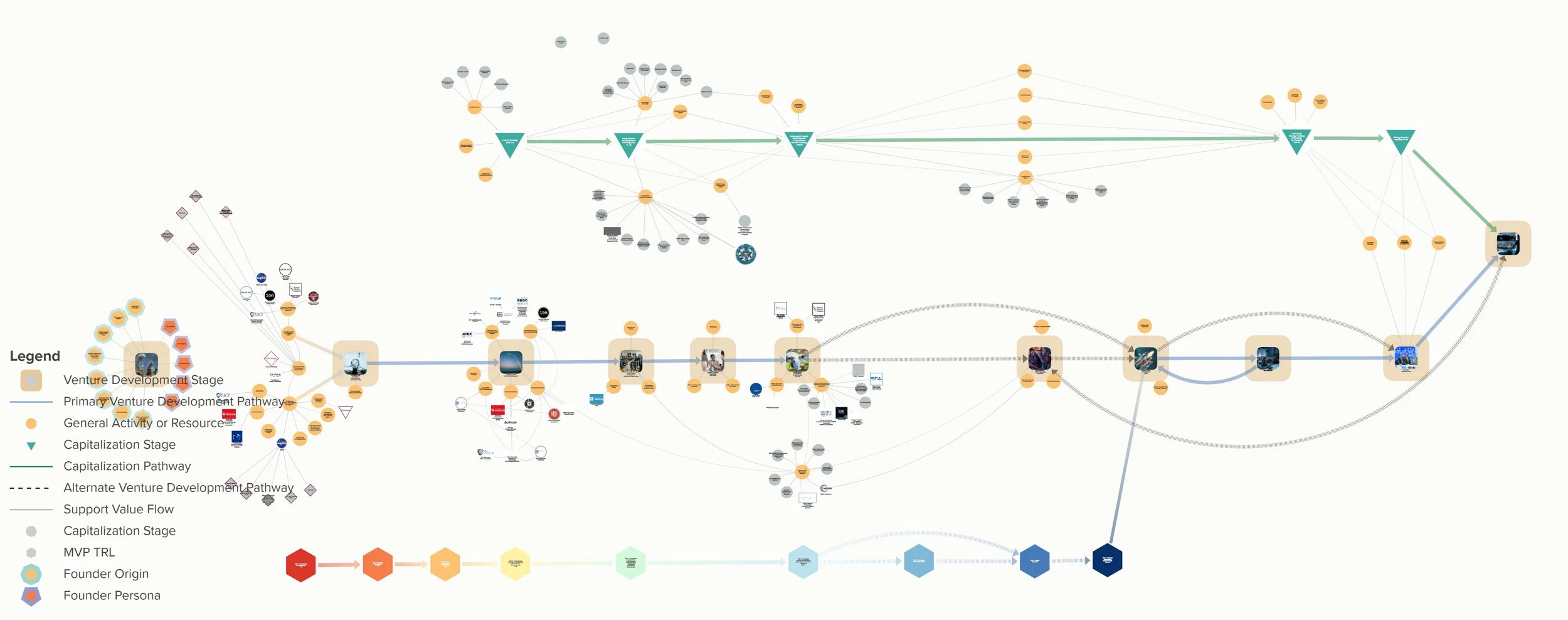
Image Credit: WRX/Wogbe Ofori

Photo by Kyle Glenn on Unsplash
Analyst Note -
Thinking Through the Potential of Orbital AI Data Centers – Is this new space’s killer app?
Part 5 – A Global TAM
The market doesn't want orbital data centers — it wants access to AI computing capacity. In the fifth and final installment of this series, WRX examines the global TAM for orbital AI infrastructure through the only lens that matters: where terrestrial alternatives are unavailable, unaffordable, or genuinely inferior. From power-constrained hyperscalers to developing nations priced out of the AI economy entirely, the stakes extend well beyond cloud market share — and whoever controls the orbital supply layer will have significant influence over who wins and loses in the emerging AI-enabled economy.
Analyst Note -
Thinking Through the Potential of Orbital AI Data Centers – Is this new space’s killer app?
Part 4 – Capabilities & Limitations of Players Outside the U.S. & China
The orbital AI data center race has a clear frontier — and then everyone else. Part 4 maps the ambitions, capabilities, and binding constraints of the players outside the U.S. and China: who is closest to relevance, who is effectively sidelined, and why the Gulf states may be the most consequential wildcard of all — not as builders, but as buyers.
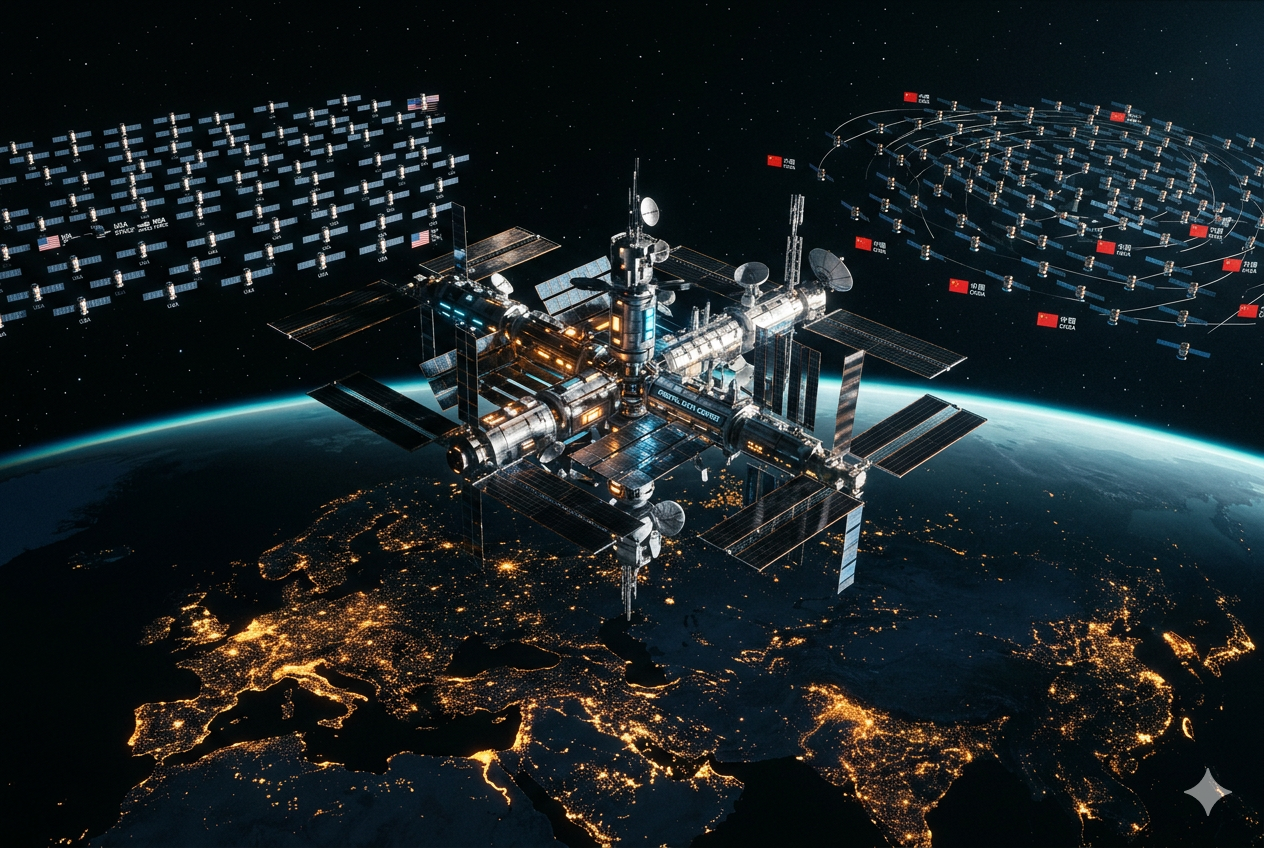
Image Credit: WRX/Wogbe Ofori

Image Credit: William_Potter
Analyst Note -
Thinking Through the Potential of Orbital AI Data Centers – Is this new space’s killer app?
Part 3 – China’s Approach & Strategic Potential
China is transforming the "space race" into a strategic "compute race," prioritizing orbital AI data centers as a core pillar of its national sovereignty and digital leadership. Explore how by prioritizing strategic gain over near- intermediate-term commercial feasibility, Chinese constellations are moving from concept to reality, aiming to match SpaceX’s timeline for a commercially viable "orbital cloud."
(Client Exclusive)
Analyst Note -
Thinking Through the Potential of Orbital AI Data Centers – Is this new space’s killer app?
Part 2 – Technical & Economic Feasibility
While technical breakthroughs are making orbital AI compute physically possible, high costs and engineering hurdles keep it a long-term bet compared to terrestrial scaling. Despite skepticism from hyperscale giants, the industry is watching for a potential shift in the 2030s (or sooner?) driven by falling launch costs and SpaceX’s industrial dominance. Explore whether the future of AI infrastructure lies above the clouds, or if Earth-bound data centers will remain the undisputed kings of compute.
(Client Exclusive)

Image Credit: Black_Kira

Image Credit: byteiota.com
Analyst Note -
Thinking Through the Potential of Orbital AI Data Centers – Is this new space’s killer app?
Part 1 – The Situation
As tech giants pour over $650 billion into terrestrial infrastructure, the race for AI dominance is hitting a wall: the limits of Earth's power grid. This scarcity is fueling a radical shift toward unconventional energy sources, from nuclear fusion to Elon Musk’s vision for orbital data centers that bypass planetary constraints. Discover how the desperate hunt for "infinite" compute might be an early signal of the commercial space technology sector’s largest addressable market yet.
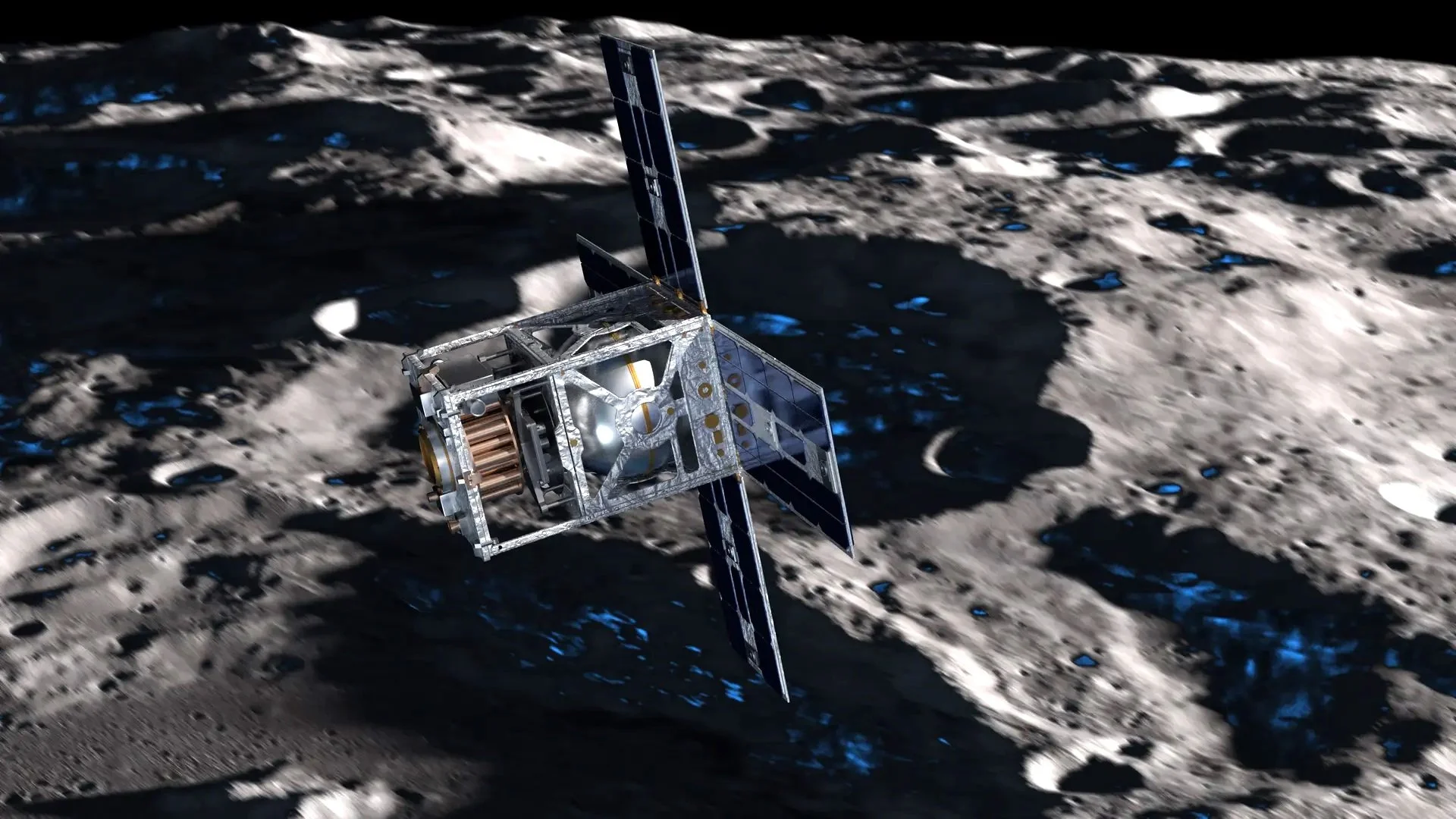
Photo Credit: Blue Origin
Analyst Note -
Overview of Blue Origin's Project Oasis
Project Oasis is a bold initiative to transform the Moon into a resource and power hub, lowering costs and complexity for missions to Mars and beyond, making asteroid harnessing viable in the future, and enabling greater sustainability on Earth. This Note explores Blue Origin’s use of Project Oasis as a commercial approach to international marketing that bets the emerging commercial space market doesn’t have to wait for US policy alignment.
(Client Exclusive)
Analyst Note -
Unpacking NASA Administrator Jared Isaacman’s First Message to the NASA Workforce
A Lesson in Change Management
On December 18, 2025, 377 days after President Trump first nominated him, Jared Isaacman officially assumed the role of NASA’s 15th Administrator, marking a significant leadership transition for the agency. At the dawn of this historic new chapter in NASA’s strategic priorities, Wogbe Ofori unpacks Isaacman’s first written message to the NASA workforce in which he outlines a bold vision aligned with President Trump’s “Ensuring American Space Superiority” Executive Order released on the same day.
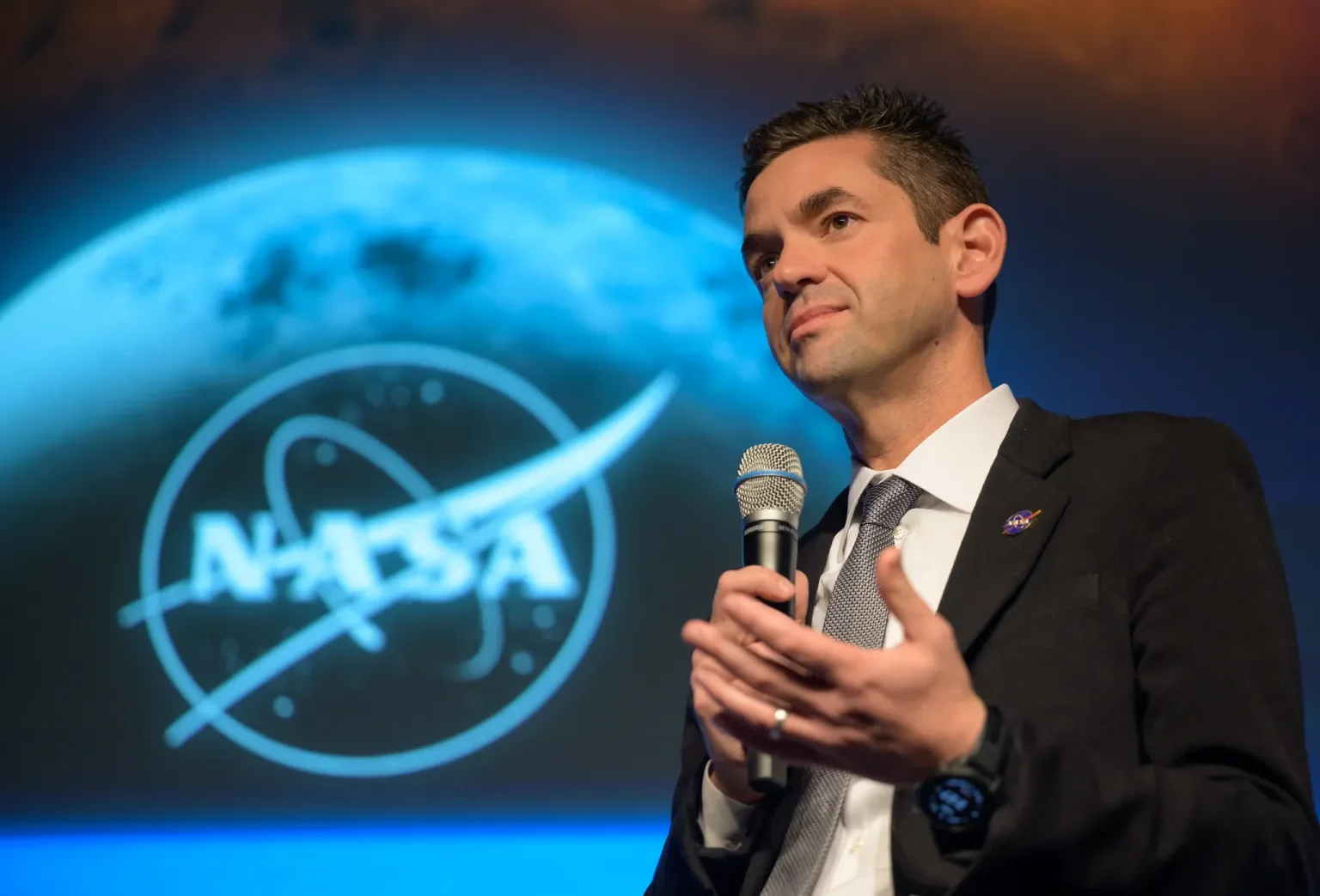
Photo Credit: NASA/Bill Ingalls
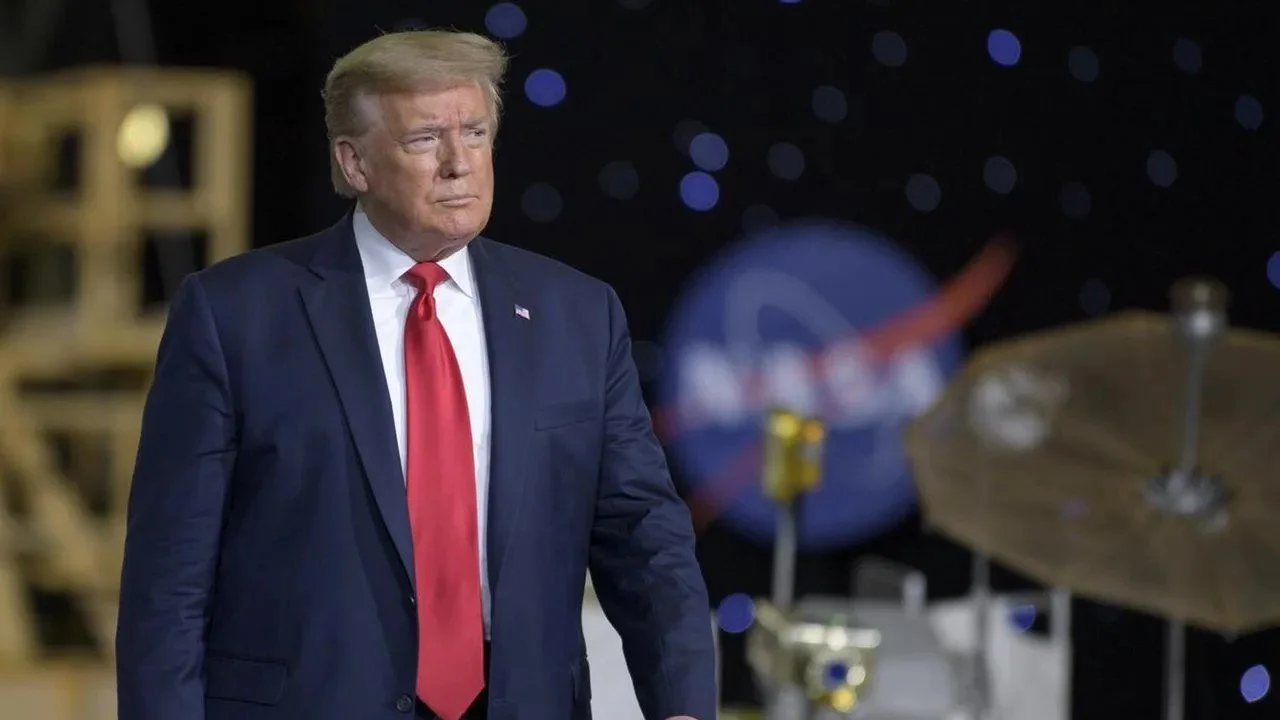
Photo Credit: NASA/Bill Ingalls
Analyst Note -
Breaking Down President Trump’s “Ensuring American Space Superiority” Presidential Executive Order
Starting a New Era in U.S. Space Policy
On December 18, 2025, the same day Jared Isaacman assumed office as NASA’s 15th Administrator (see Note above), President Trump signed the Executive Order (EO) titled Ensuring American Space Superiority. This Analyst Note unpacks the Executive Order that turns a five-year policy arc into a sprint—uniting exploration, defense, and commerce under tight deadlines, bold investment goals, and high-stakes geopolitics.
(Client Exclusive)
Banner photo by Mareks Mangūzis on Unsplash